Zero-Sugar High-Fiber Konjac Dried Rice: Shelf Life and Texture Stability Technical Specifications
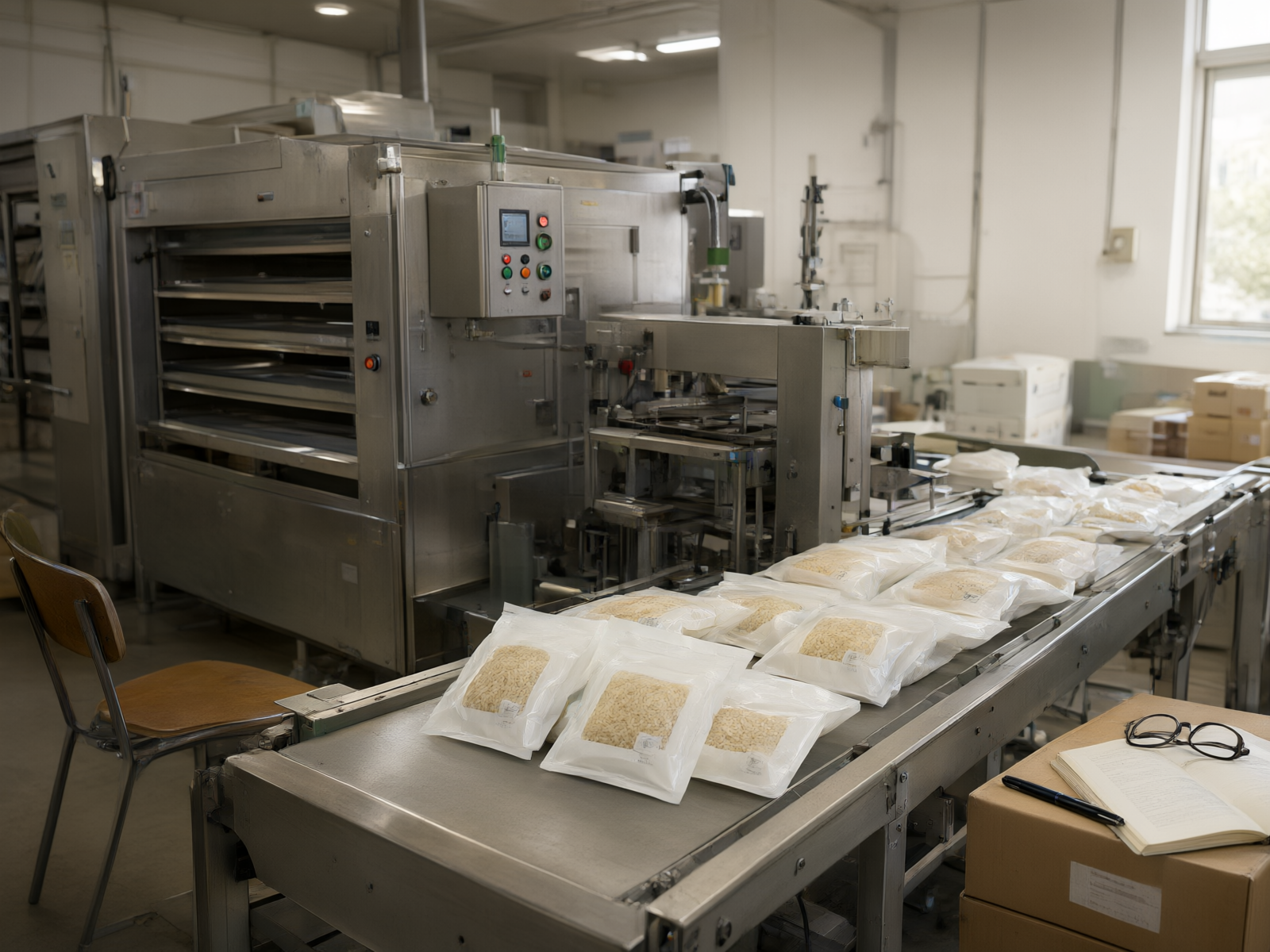
When distributors assess a convenience food product, their top concerns are rarely about taste alone. Instead, they focus on two practical questions: How long can this batch be stored? Does the final batch match the quality of the first? For zero-sugar, high-fiber konjac dried rice—a healthy staple alternative made primarily from konjac flour—shelf life and texture consistency directly affect inventory turnover and repeat purchase rates. Below, we explain the technical logic behind these issues across three key areas: production process, formula system, and quality control standards.
Shelf Life Technical Foundation: From Raw Material Processing to Finished Product Packaging
The shelf life of konjac dried rice depends on three core factors: water activity, packaging barrier properties, and storage conditions.
Moisture control is the first step. After konjac flour undergoes gelatinization, forming, and drying, the finished product's moisture content must stay below the safe moisture threshold. Lower water activity (Aw)—a measure of free water in food—limits microbial growth and extends shelf life. Our segmented temperature drying process ensures each batch maintains consistent Aw levels, minimizing mold risk from the start.
At the packaging level, instant rice is sealed in high-barrier composite materials with low oxygen and water vapor transmission rates. This barrier packaging isolates the product from external environmental factors, ensuring a stable internal micro-environment even when warehouse temperatures fluctuate seasonally. Under standard storage conditions—cool, dry, and away from direct sunlight—the product maintains consistent quality.
Texture Stability: Formula Process and Rehydration Performance Assurance
Distributors' second concern is texture consistency. Whether a product tastes the same after rehydration across batches depends on how standardized the formula and processing are.
The core ingredient of zero-sugar, high-fiber konjac dried rice is konjac flour. Its functional component, glucomannan—a natural high-molecular polysaccharide and key source of dietary fiber—forms a gel network during rehydration, creating the product's signature elastic and chewy texture. The stability of this structure depends on three process parameters: gelatinization temperature, extrusion pressure, and drying rate.
We use an automated batching system in production, with batch proportions controlled by software to minimize human error. Temperature and pressure parameters for gelatinization and extrusion are finalized in process documents after repeated validation; all batches of the same formula use identical settings. Drying rate control directly impacts the finished product's rehydration performance: drying too quickly causes uneven internal structure and a harder texture upon rehydration, while drying too slowly reduces production efficiency. By using segmented temperature-controlled drying, we ensure consistent rehydration time and texture under standard brewing conditions.
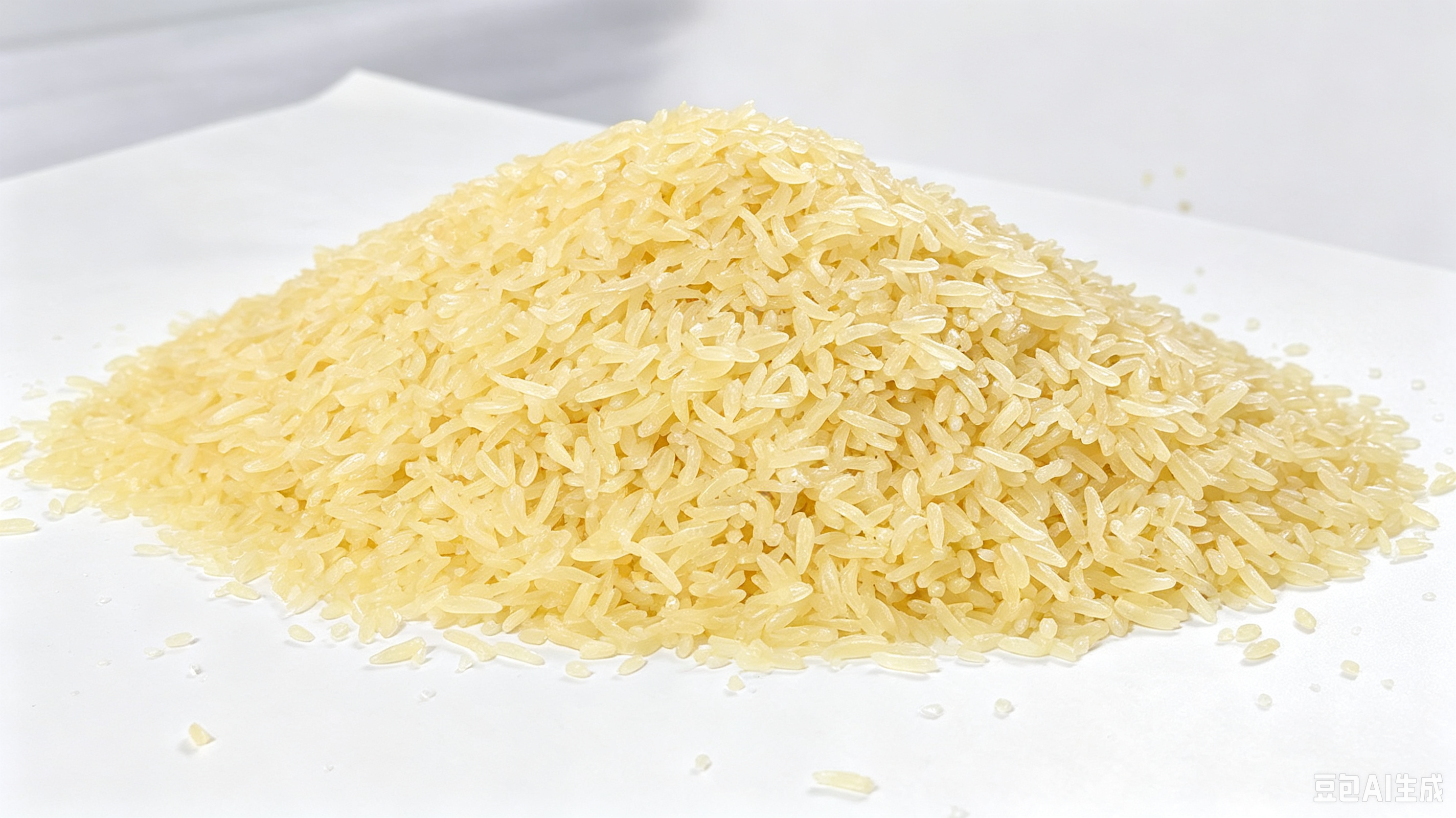
For distributors, this means that from the first to the tenth container, end consumers receive products with consistent texture and no noticeable batch variations.
Quality Control System: Batch-Traceable Quality Data
Texture stability and shelf life depend on quality control data. Our QC covers three stages: raw material inspection, in-process sampling, and finished product release.

At the raw material stage, every batch of konjac flour is tested for glucomannan content, moisture, ash content, and other key indicators before being accepted into production; only compliant materials proceed to the line. During manufacturing, online inspections monitor weight, appearance, and seal integrity. For finished goods, each batch is retained as a sample with the production date, process parameters, and test results recorded, ensuring full batch traceability.
For purchasers, this system delivers value by enabling test report requests for any batch to verify that key indicators fall within standard ranges. Data traceability itself confirms stability.
Supply Capacity: Production and Delivery Reliability
Another aspect of stability is supply continuity. As a source factory, we operate a 6,000 sq m production facility. Our konjac product line—including konjac rice, zero-sugar high-fiber konjac rice, instant konjac noodles, and regular konjac noodles—delivers up to 30 tons daily, with full OEM/ODM customization support. Whether you need keto-specific formulations, consistent restocking for supermarkets, or bulk shipments for cross-border exports, our production capacity ensures reliable delivery schedules.
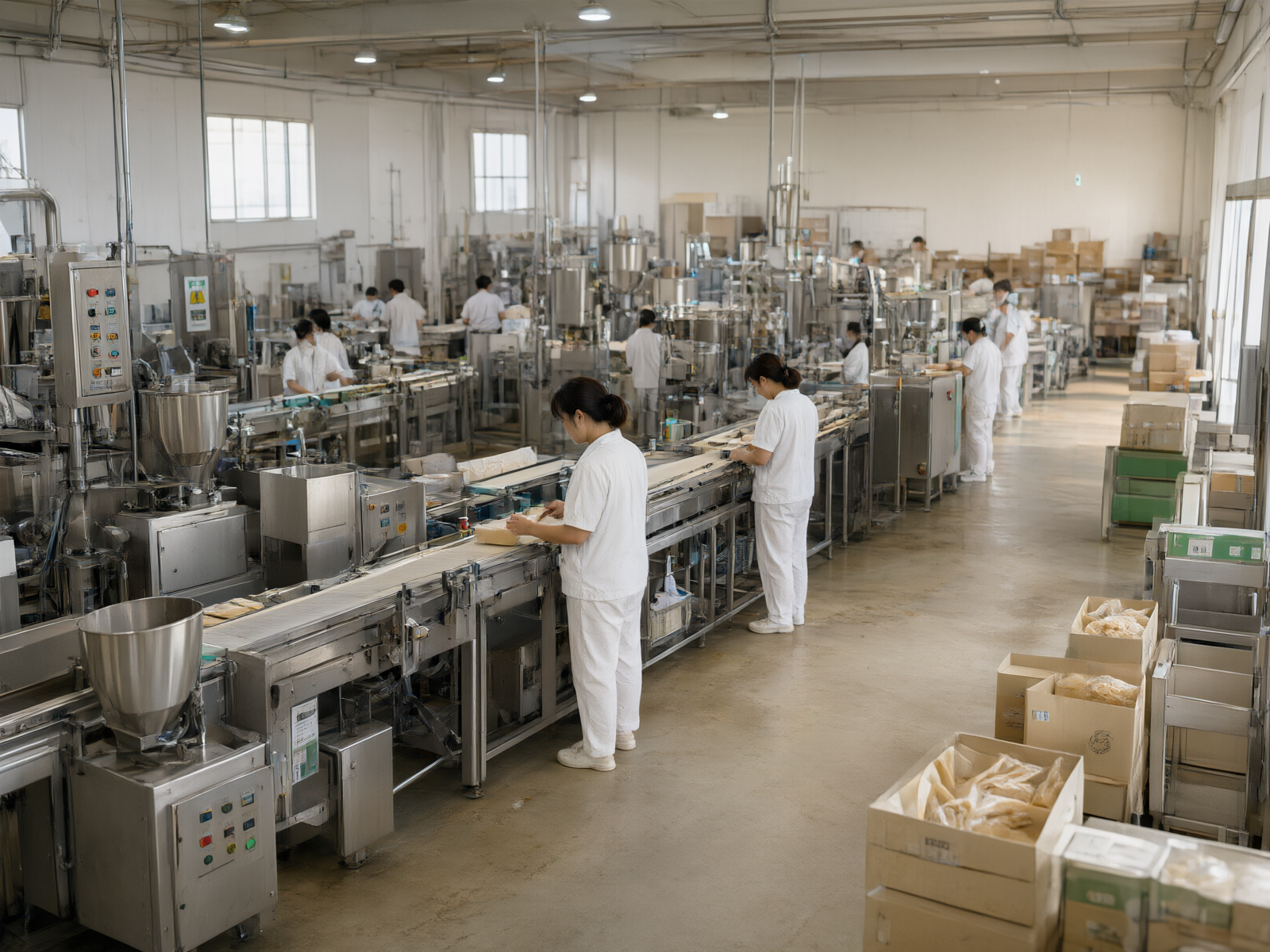
For distributors with long-term partnership goals, stock plans can be customized using historical procurement data to prevent stockouts during peak seasons and overstocking during off-seasons.
Conclusion
Shelf life and texture stability aren't achieved through promises—they're built on a systematic engineering foundation supported by raw material standards, process parameters, quality control systems, and production capacity reserves. For distributors, verifying these technical details before procurement reduces long-term business risks far more effectively than simply comparing prices. For product parameters or to request test reports, contact us at +86 13430742664, email Ricekonjac@gmail.com, or chat instantly via WhatsApp.