Sales Performance and Channel Analysis of Konjac Rice in Southeast Asian Markets
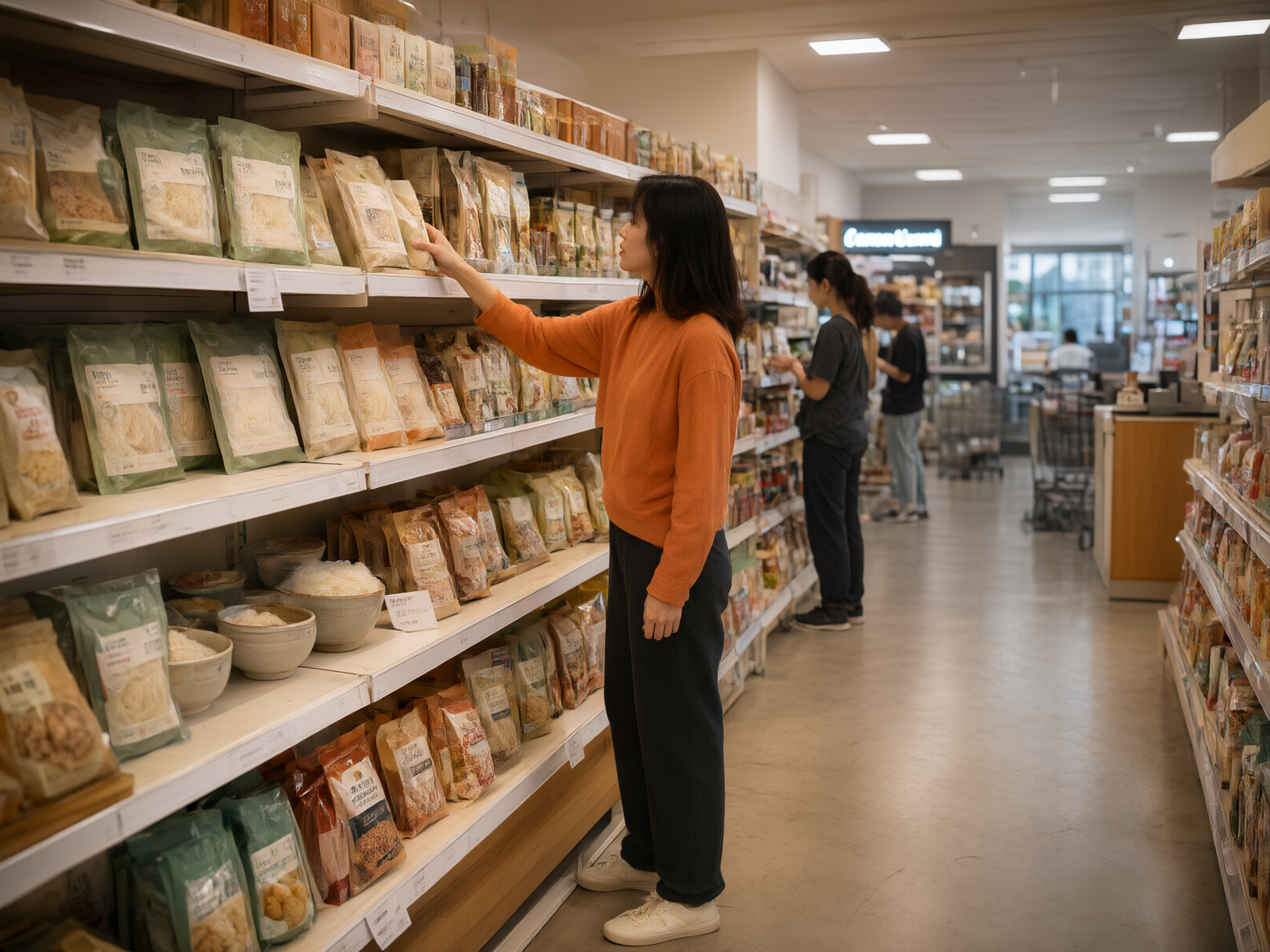
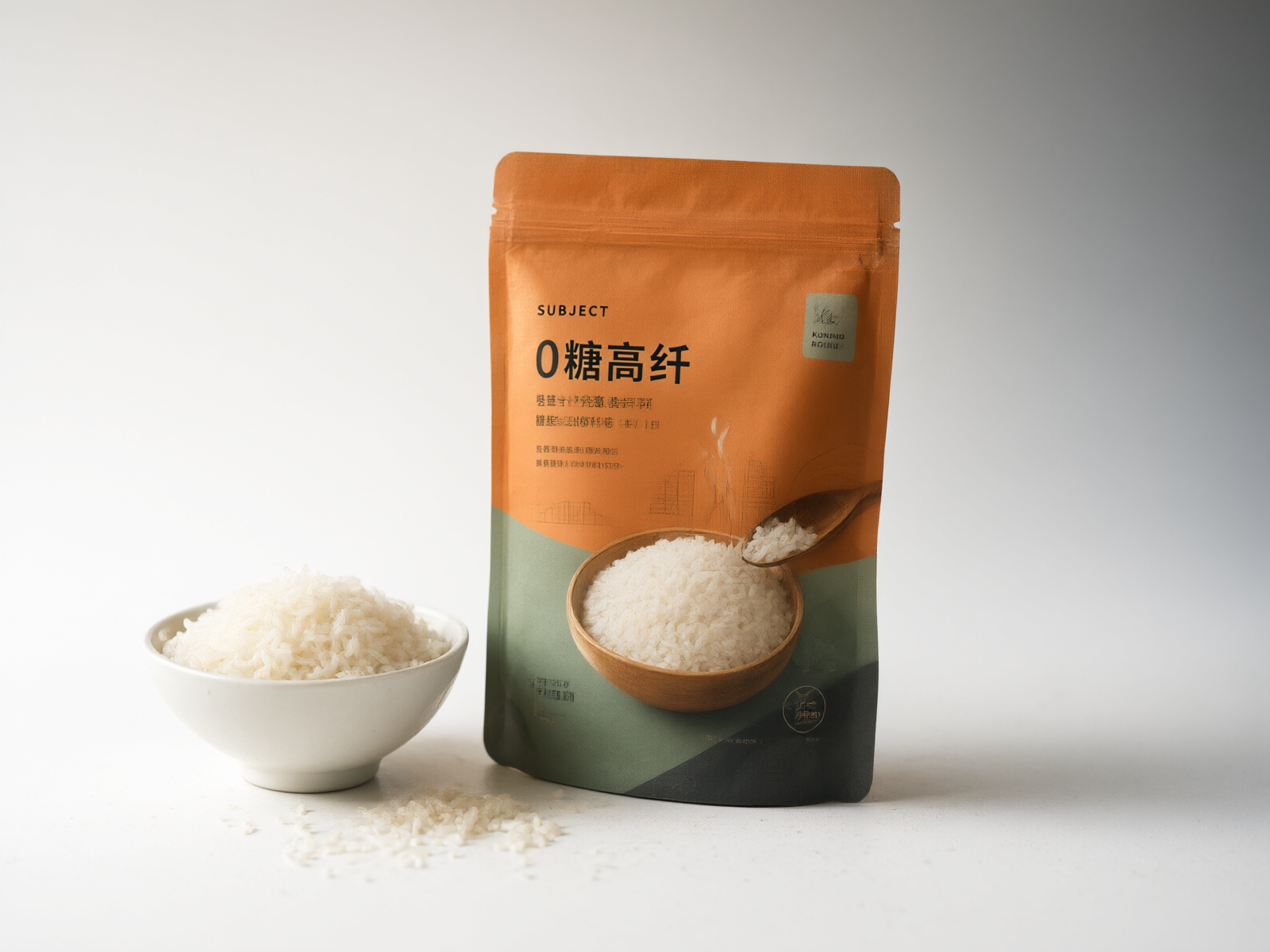
Konjac dried rice, a next-generation healthy staple alternative, is rapidly expanding across Southeast Asia. Leveraging its zero-sugar, high-fiber profile and a mature cross-border supply chain, this product category has surpassed expectations in regional market penetration.
Sales Performance in Southeast Asian Markets
The climate and food culture of Southeast Asia create a natural market foundation for konjac dried rice. Countries like Thailand, Vietnam, Indonesia, and Malaysia have long relied on rice as their staple, and consumers are highly open to alternative staples. Recently, growing health awareness and rising rates of metabolic diseases such as diabetes and obesity have driven structural growth in demand for low-GI (glycemic index) foods.
The key ingredient in konjac dried rice, glucomannan, is a water-soluble dietary fiber that expands to 80–100 times its original volume when hydrated, delivering lasting fullness. This makes it highly effective for weight management and blood sugar control. Market data shows steady growth in procurement across health food retail channels in Thailand and Vietnam, with increasing SKU counts on supermarket shelves and online platforms year over year.
The Indonesian market has a slightly different demand structure. With the local Muslim population exceeding 85%, Halal certification is mandatory for food to access mainstream distribution channels. Konjac dried rice produced via OEM/ODM models has entered Indonesia's local supermarket systems after securing Halal certification, primarily stocked in health food sections of major cities like Jakarta and Surabaya.
Main Sales Channels Distribution
Sales channels in Southeast Asia show diverse characteristics, which can be summarized into three core paths.
The first category is B2B cross-border trade channels. Key customers include institutional buyers such as supermarket suppliers, keto food manufacturers, and instant soup producers. These clients prioritize supply chain stability and product compliance, with specific requirements for factory capacity, certifications, and delivery timelines. For example, a source factory with a 6,000 sqm standardized workshop and daily output of 30 tons can reliably fulfill large-volume orders on an ongoing basis.
The second category is online e-commerce platforms. Regional leaders like Shopee, Lazada, and Tokopedia have added health food categories, with konjac dried rice available as standalone brands or private-label products. Cross-border sellers in Thailand and Vietnam ship from local warehouses, reducing delivery times to 2–3 days and significantly boosting conversion rates.
The third category is offline distribution networks. Health food specialty stores, organic food supermarkets, and gym retail locations form the offline reach system. These channels deliver higher average transaction values, with consumers placing greater emphasis on product ingredients and nutrition labels—making them ideal for promoting premium products like zero-sugar, high-fiber konjac instant rice.

Analysis of Suitable Consumer Groups
The unique features of konjac dried rice define its target audience by specific functional needs.
The first category includes people who need to manage their blood sugar. Konjac dried rice has a much lower glycemic index (GI) than traditional rice, resulting in minimal post-meal blood sugar spikes. For individuals with type 2 diabetes or those at risk of prediabetes, replacing part of their staple diet with konjac dried rice can help maintain stable blood sugar levels.
The second category is weight control. Glucomannan's high expansion property allows it to form a gel-like substance in the stomach, slowing gastric emptying and prolonging satiety. Keto dieters, fitness enthusiasts during fat-loss phases, and intermittent fasters can all include it in their diet plans.
The third category is those with insufficient dietary fiber intake. Southeast Asia has high consumption of refined rice, and dietary fiber intake generally falls below recommended standards. As a high-fiber food, konjac dried rice can contain over 60 grams of dietary fiber per 100 grams, effectively filling daily gaps and supporting intestinal health.
The fourth category is urban consumers seeking convenient dining. Konjac instant rice uses instant brewing technology to rehydrate in just 3 minutes—no cooking equipment needed. For young professionals with busy schedules and limited kitchen access, this format makes healthy eating easier to achieve.
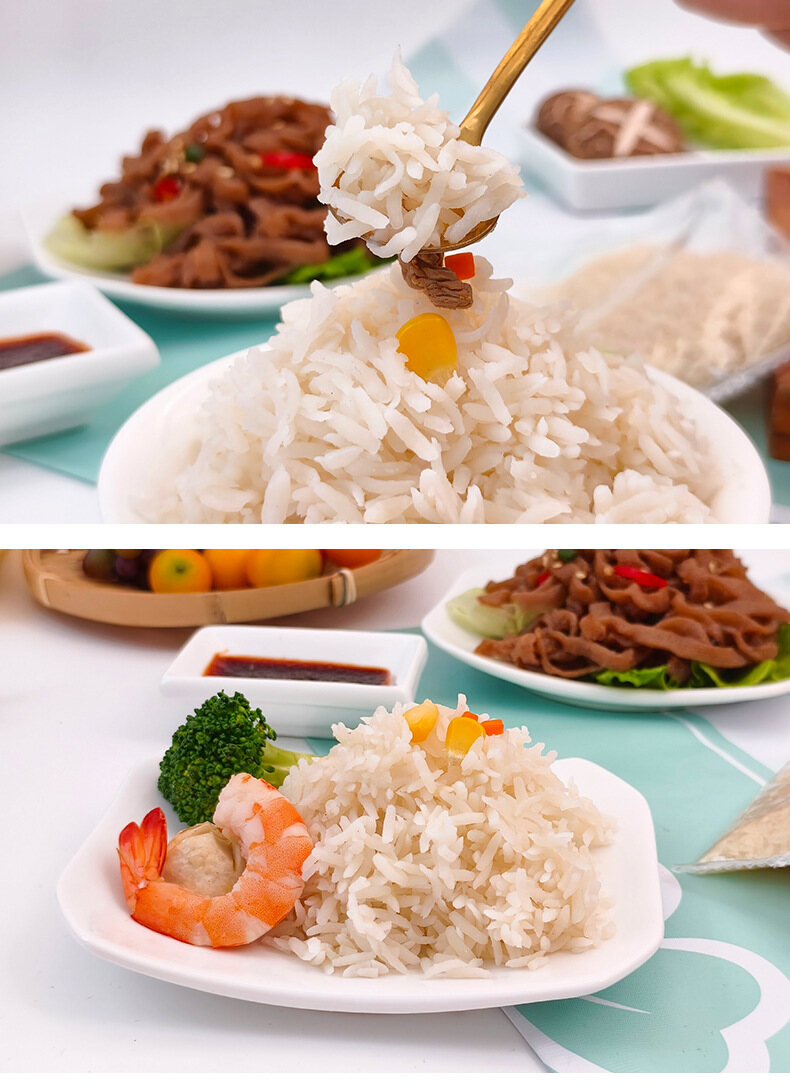
The growth of konjac dried rice in Southeast Asia hinges on aligning health demand with supply chain strength. On the product side, the zero-sugar, high-fiber value proposition is clear. Channel-wise, three parallel paths drive distribution: B2B trade, e-commerce platforms, and offline retail. From a consumer perspective, four key segments—blood sugar management, weight control, fiber supplementation, and convenient dining—form a stable demand base. This category remains in its early adoption phase; with advancing consumer education and deeper channel penetration, significant growth potential lies ahead.