Southeast Asia Monsoon Season Konjac Rice Export: Practical Guide to Moisture-Resistant Packaging and Shipping Schedule Management
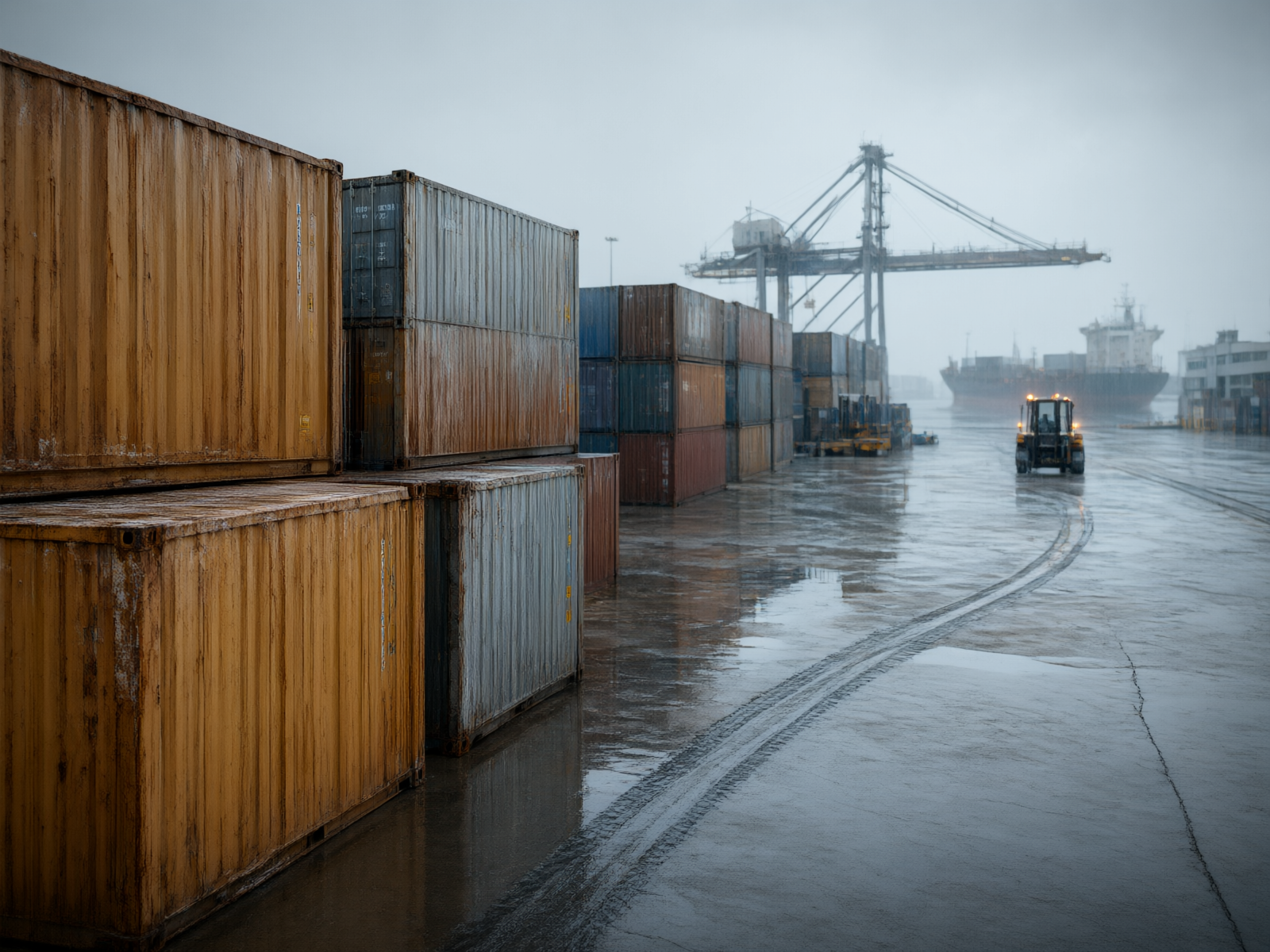
The rainy season from 5 to 10 each year in Southeast Asia is the biggest variable for konjac instant rice cross-border exports. In core markets like Thailand, Vietnam, Indonesia, and the Philippines, relative humidity remains consistently between 85% and 95% during this period. Combined with typhoon-related disruptions to port throughput, packaging moisture damage and shipping delays have become shared challenges for buyers and exporters. As a source factory with a 6000m² facility and daily production capacity of 30 tons for our konjac product line, we have developed a proven, repeatable solution based on years of cross-border delivery experience.
Real Threats of High Humidity to Konjac Instant Rice
Konjac instant rice is based on glucomannan, formed through puffing and drying. The final product moisture content is controlled below 12%. This allows a shelf life of up to 18 months under dry conditions, but the product is highly sensitive to ambient humidity. When relative humidity exceeds 75%, the surface begins absorbing moisture; above 85%, absorption accelerates significantly, causing clumping and a sticky texture after preparation, and potentially leading to mold growth in severe cases.
Overhead risks in the sea freight segment are particularly acute. The standard transit time from major ports in South China to Southeast Asia ranges from 7 to 15 days. During the rainy season, condensation forms inside containers due to day-night temperature fluctuations—a phenomenon known as "container rain." Internal humidity can peak at over 90%. For low-moisture products like 0 sugar high-fiber konjac instant rice, even a minor seal failure can cause the entire shipment to lose its commercial value before reaching the destination port.
Three-layer moisture-proof upgrade for packaging structure
Standard single-layer PE bag and carton packaging cannot withstand high-humidity sea freight conditions. We have upgraded our export packaging to a three-layer protective structure.
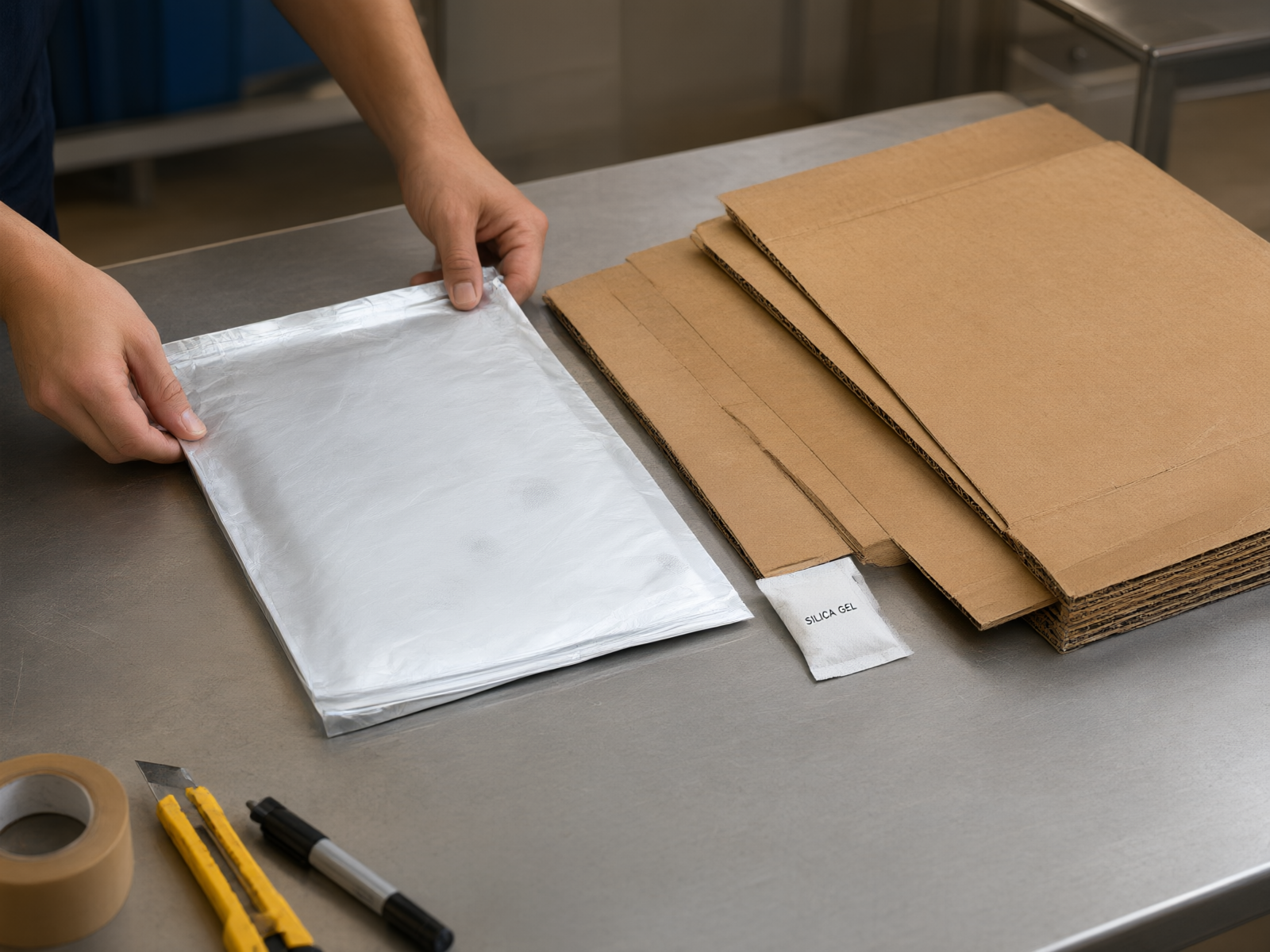
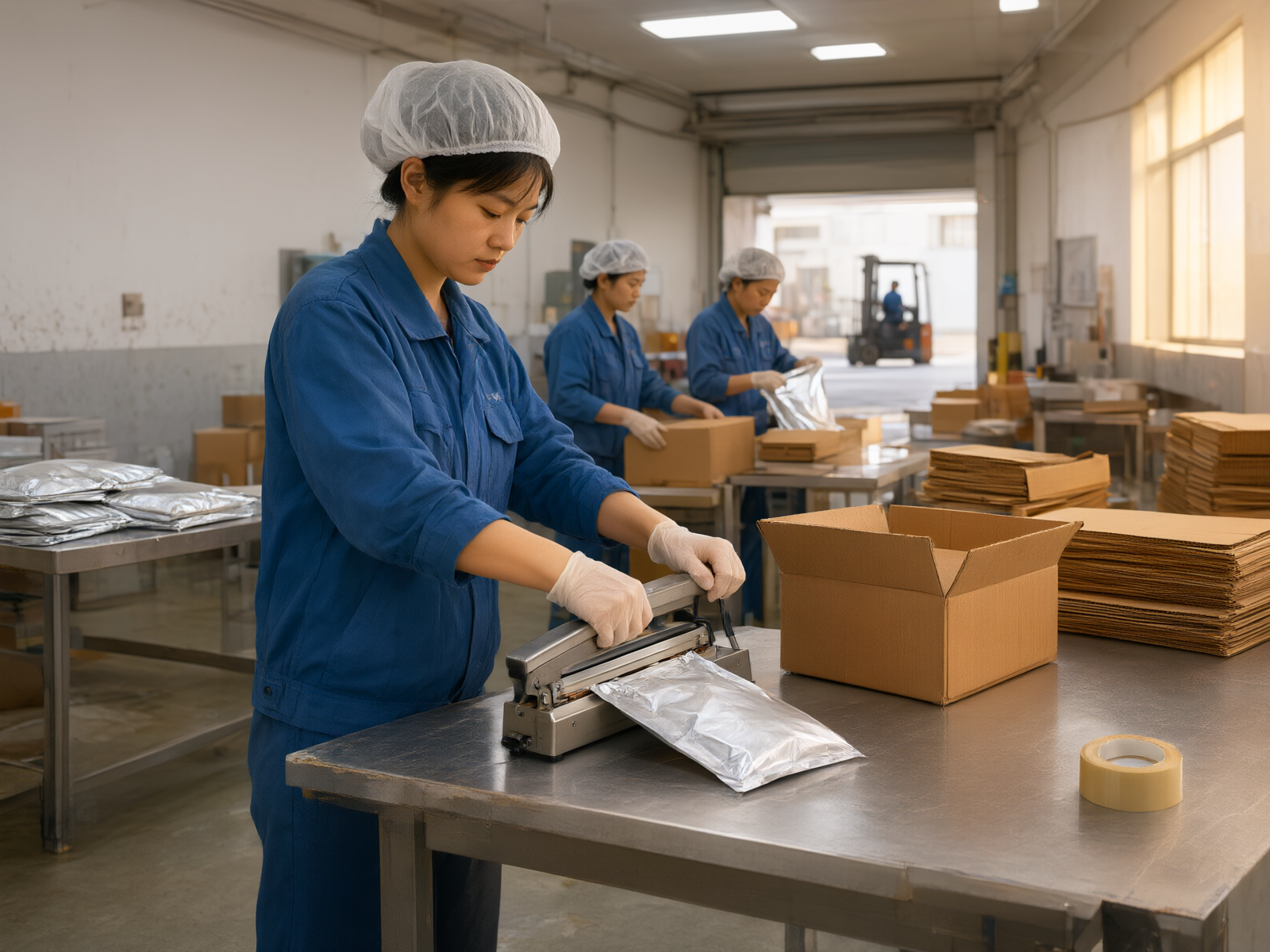
The inner layer uses an aluminum foil composite sealed pouch to control water vapor transmission rate below 0.5 g/(m²·24h), blocking external moisture at the source. The middle layer contains food-grade color-changing silica gel desiccant, configured at 3% to 5% of product weight, providing secondary moisture absorption buffering in extreme scenarios where sealing fails. The outer layer consists of a five-ply corrugated cardboard box with a moisture-proof varnish coating, capable of withstanding short-term rain exposure and stacking compression.
Before each batch leaves the factory, we sample and conduct a 72-hour high-temperature, high-humidity accelerated aging test under conditions of 40°C temperature and 90% relative humidity to verify the packaging system's sealing integrity under extreme environments. Upon successful testing, a report is issued and delivered with the goods to the purchaser.
Proactive Management of Schedule Variability
Another impact of the rainy season in Southeast Asia is shipping schedule uncertainty. During the typhoon peak from 7 to 9, major export ports in South China, including Shenzhen Yantian and Xiamen, saw average delays rise from the usual 1–2 days to 3–5 days, with extreme cases exceeding a week.
Our vessel schedule management strategy centers on "lead time." Rainy season orders are scheduled for production 7 to 10 days earlier than usual, creating a buffer window for booking, customs clearance, and loading. On the logistics side, we have capacity assurance agreements with at least two shipping lines to prevent entire shipments from being delayed due to roll-overs by a single carrier. Bills of lading are confirmed and space is locked 10 days prior to shipment. Destination port customs documents are sent to the agent within 48 hours after loading.
A daily production capacity of 30 tons provides scheduling flexibility. When a typhoon warning is issued, the factory can complete centralized production and warehousing for single batches exceeding 15 tons within 48 hours, ensuring confirmed orders are not delayed due to production interruptions.
Humidity Control in Destination Port Warehousing
Once packaging and shipping schedules are under control, destination warehousing becomes the final link in the rainy-season delivery chain. In Southeast Asia, many dealer warehouses lack climate-controlled facilities; damp floors and seepage from walls during the rainy season are common risks.
We provide standardized warehousing protection guidelines for all Southeast Asian customers:
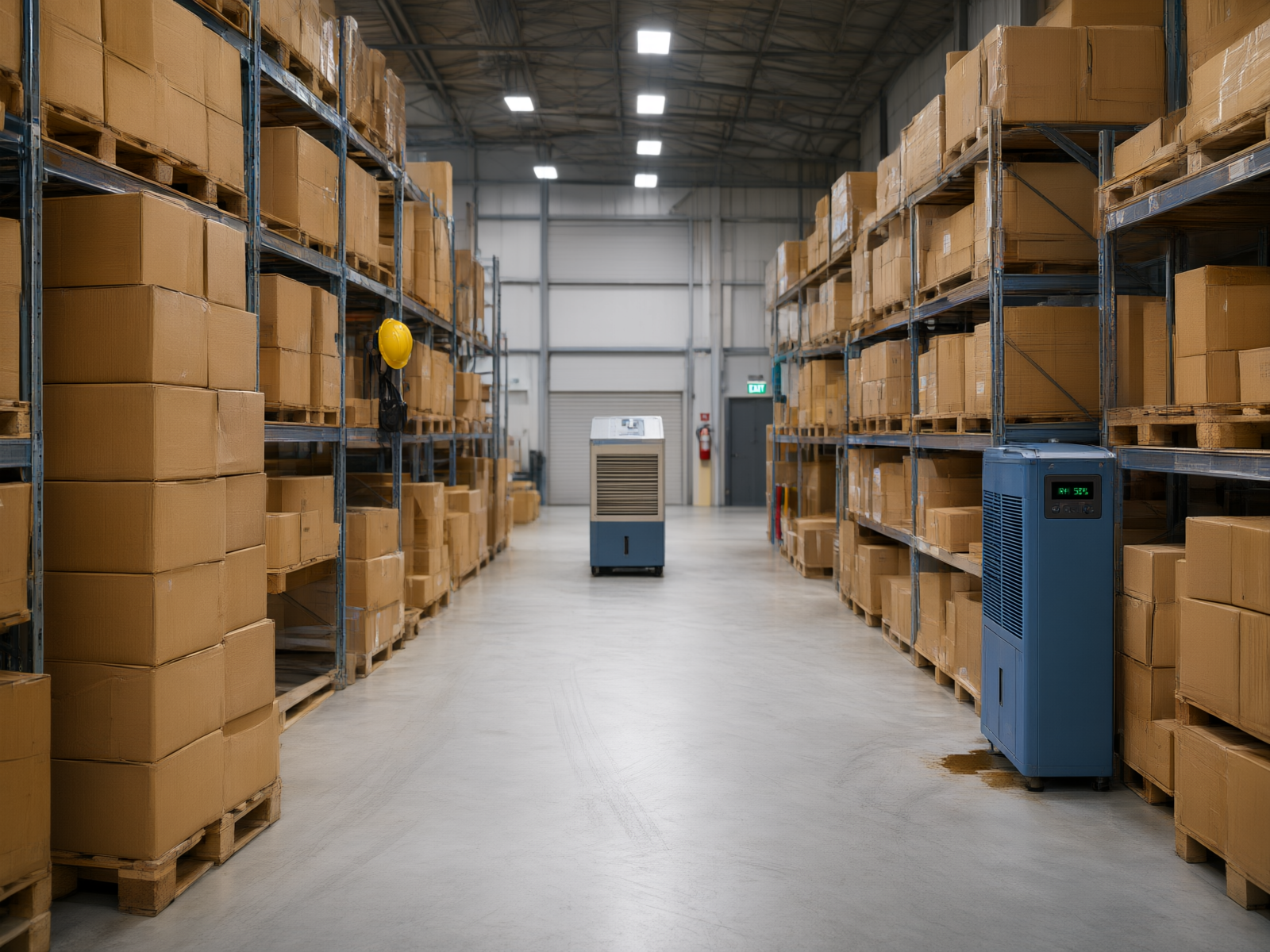
Elevate pallets at least 15 cm above the floor and maintain a clearance of 30 cm or more from walls. Install industrial dehumidifiers in the warehouse to keep relative humidity below 65%. Stack products no higher than 5 layers to prevent bottom cartons from deforming under prolonged pressure, which could compromise seals. Follow FIFO (First-In, First-Out) principles to ensure inventory turnover within 30 days of receipt.
For OEM/ODM custom orders, we also add moisture-proof warning labels and stack height indicators on outer packaging to reduce human handling risks during warehousing.
Closed-loop delivery from factory to warehouse
Moisture-proof packaging, early vessel scheduling, and strict warehouse control form a three-layer defense system for cross-border delivery of konjac instant rice to Southeast Asia during the rainy season. To date, this system has maintained an on-time delivery rate of over 95% during the rainy season and kept moisture-related cargo loss below 0.5%.
For cross-border buyers, selecting a supplier involves more than evaluating the product's 0 sugar content, high fiber attributes, and taste. The resilience of the delivery chain is equally critical. From production capacity at the source factory to engineered packaging design and contingency planning at logistics nodes, certainty in every stage ultimately determines product quality on the shelf.